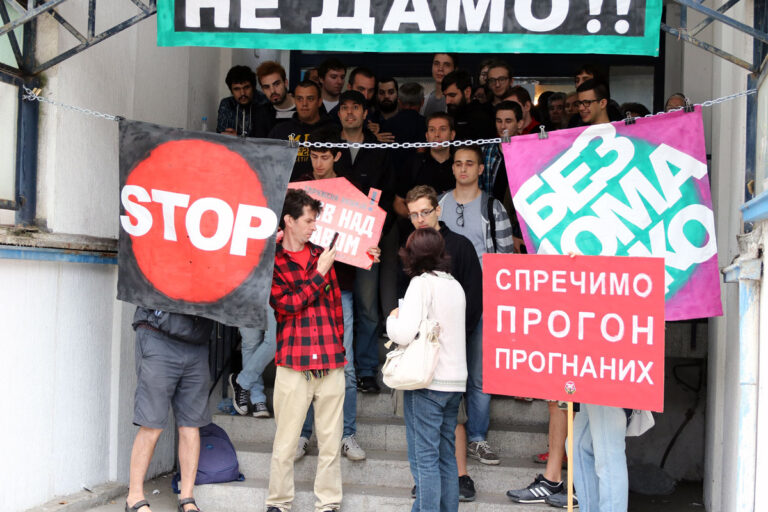
Foto: Prostor ograđen žicom

Point of No Return: An Interview with a Russian Dissident in Exile

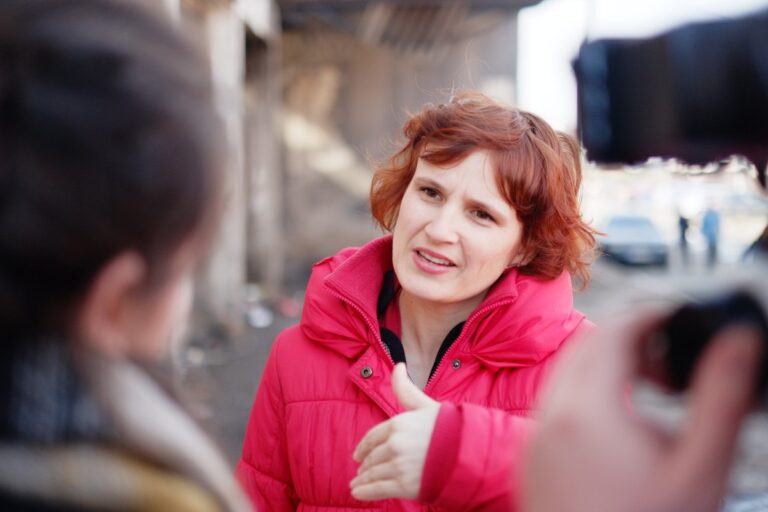
As the war in Ukraine continues, Russian citizens face mounting repression at home, forcing many into exile. Among them is a former theater professional, who, for safety reasons, has chosen to remain anonymous. She fled to Serbia after years of activism and aiding political prisoners. Her journey is a stark reminder of how fragile freedoms can be – and a quiet cautionary tale for Serbia, where concerns about shrinking civic space echo the early signs of authoritarianism she once faced in Russia.

As the war in Ukraine continues, Russian citizens face mounting repression at home, forcing many into exile. Among them is a former theater professional, who, for safety reasons, has chosen to remain anonymous. She fled to Serbia after years of activism and aiding political prisoners. Her journey is a stark reminder of how fragile freedoms can be – and a quiet cautionary tale for Serbia, where concerns about shrinking civic space echo the early signs of authoritarianism she once faced in Russia.
Care workers and intermediaries from the Balkans: the precarity of female work fosters a lack of solidarity

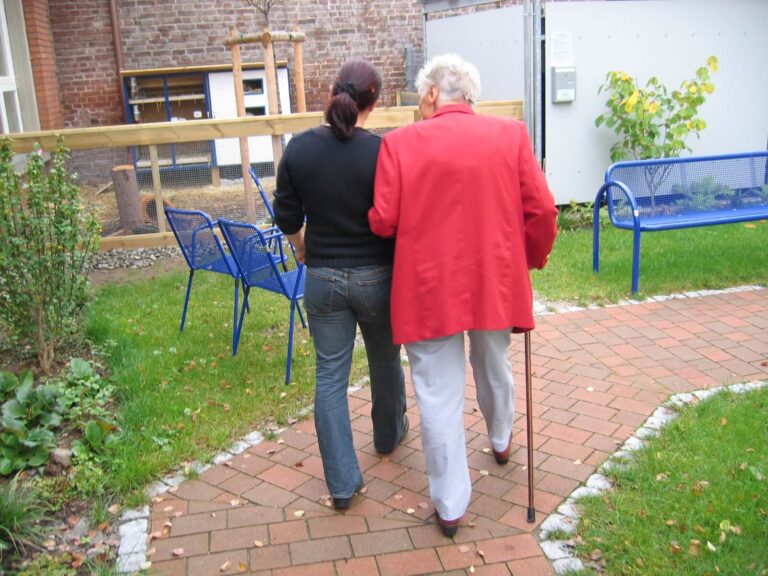
The precarity of female care workers from the Balkan countries in the EU is revealed through the relationship with intermediaries who find their posts but also take a significant percentage of their earnings through fees. This interdependence is not only economic; it is a question of class and female solidarity in a contemporary context.

The precarity of female care workers from the Balkan countries in the EU is revealed through the relationship with intermediaries who find their posts but also take a significant percentage of their earnings through fees. This interdependence is not only economic; it is a question of class and female solidarity in a contemporary context.

Who looks after the elderly in Germany? Care workers between former Yugoslavia and Germany

A great number of women from former Yugoslavia regularly go to Germany and other EU countries to perform care labour. In most cases, they are completely exploited. Moreover, individuals and institutions of the EU countries both create and abuse their situation.

A great number of women from former Yugoslavia regularly go to Germany and other EU countries to perform care labour. In most cases, they are completely exploited. Moreover, individuals and institutions of the EU countries both create and abuse their situation.

Discussing Migration in Central and Eastern Europe, an ELMO Panel and Series

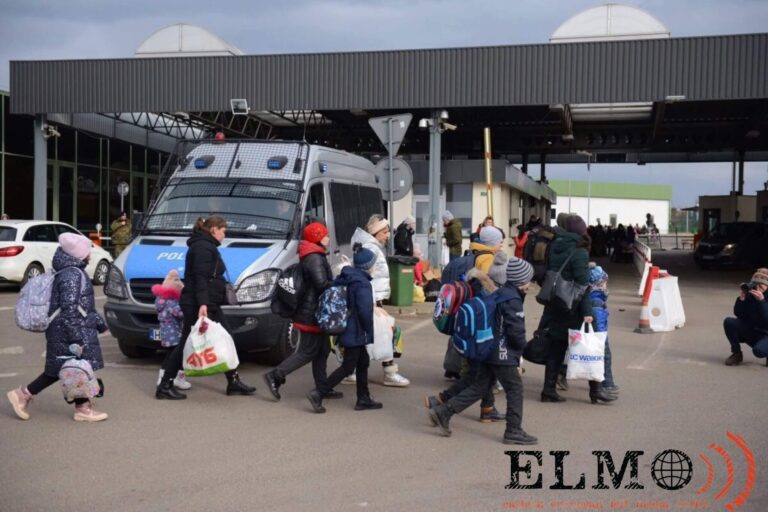
ELMO‘s series of writings and panel discussion on migration provides insight into relevant and often overlooked aspects of movement of people across national borders.

ELMO‘s series of writings and panel discussion on migration provides insight into relevant and often overlooked aspects of movement of people across national borders.